
India is witnessing a historic infrastructure collision. We aren't just talking about incremental growth, we are looking at a structural shift where data center capacity leaps from roughly 1.3 GW today to a projected 9 GW by the early 2030s.
Global and domestic hyperscalers have committed between $200 & $300 billion to build the compute backbone of the future. But capital isn't the bottleneck anymore. Electrons are.
Watt Intelligence India 2027, as part of the global Watt Intelligence Series, is the only India-centric platform where these two worlds, Compute & Power, collide to find answers and the only forum dedicated to de-risking the critical path for India's AI future.
Powering the infinite demand for Intelligence.
 CAPACITY LEAP
 POWER SURGE
"The AI revolution has a secret:
it is incredibly power-hungry."
WHAT INDUSTRY LEADERS ARE SAYING!

Secure data centers, a strong IT backbone, and a dynamic startup ecosystem make India a natural hub for affordable, scalable, and secure AI solutions.
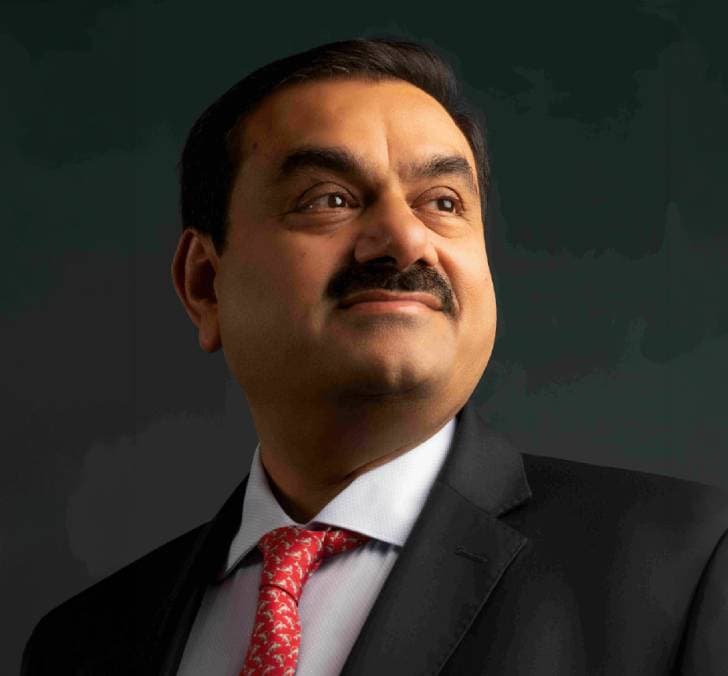
The world is entering an Intelligence Revolution more profound than any previous Industrial Revolution. Nations that master the symmetry between energy and compute will shape the next decade.

I think the three fundamental blocks that we have to do to enable us in that AI leadership moment are to continue to invest in AI infrastructure, AI data centers that are completely ready, that can scale worldwide – scale for India at millions and millions of users.

The limiting factor for AI deployment is fundamentally electrical power.

Nuclear power will be a very important part going forward. As we know, AI does require a huge amount of energy.
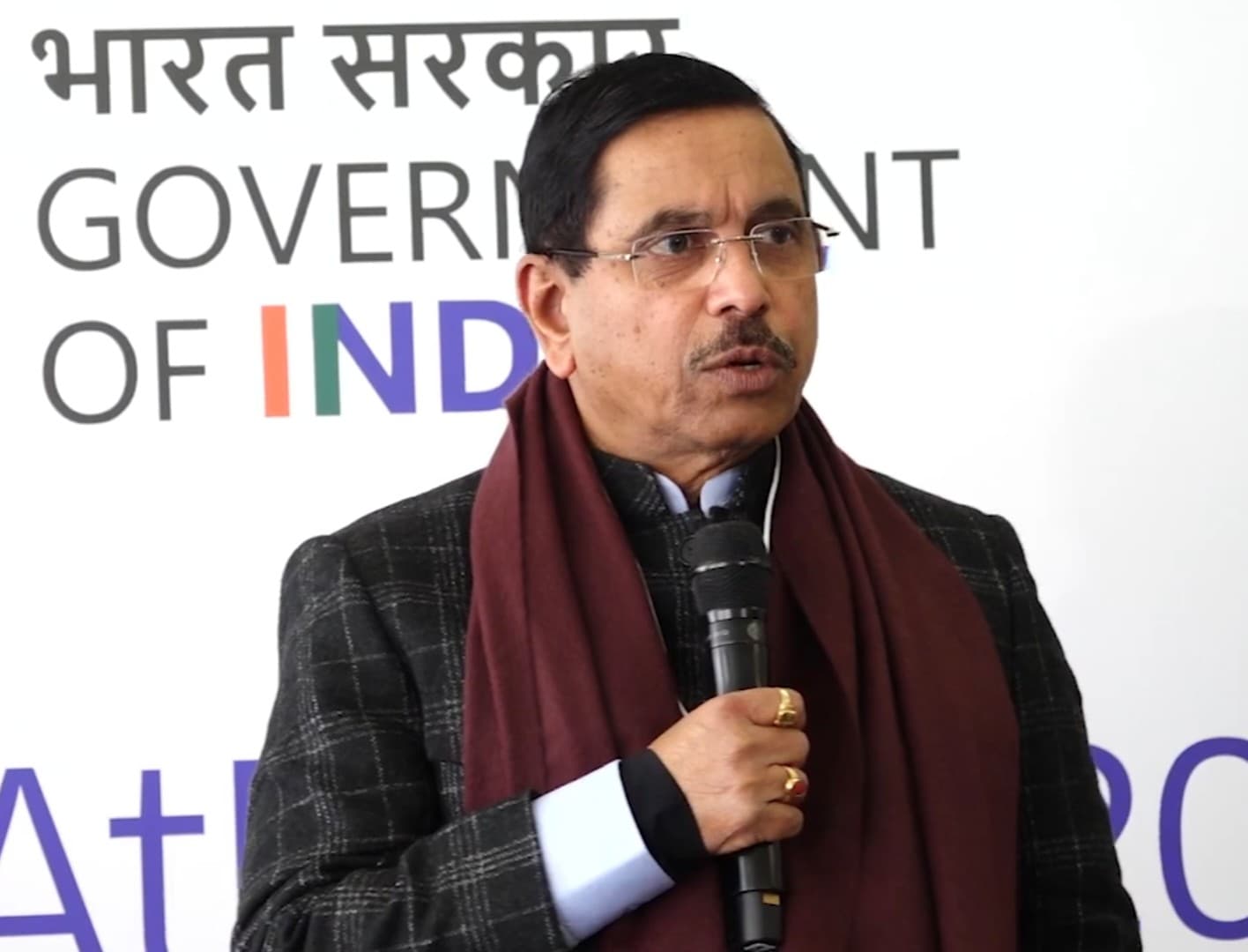
As distributed renewables expand rapidly, the focus is shifting from merely adding capacity to integrating millions of decentralised assets into stable and reliable grids.

India itself will require an investment of about USD 2.2 trillion over the next two decades. This would require a financially viable power sector to achieve.

The biggest issue we are now having is not a compute glut, but it’s power – it’s sort of the ability to get the builds done fast enough close to power.

Eventually, the cost of intelligence, the cost of AI, will converge to the cost of energy.
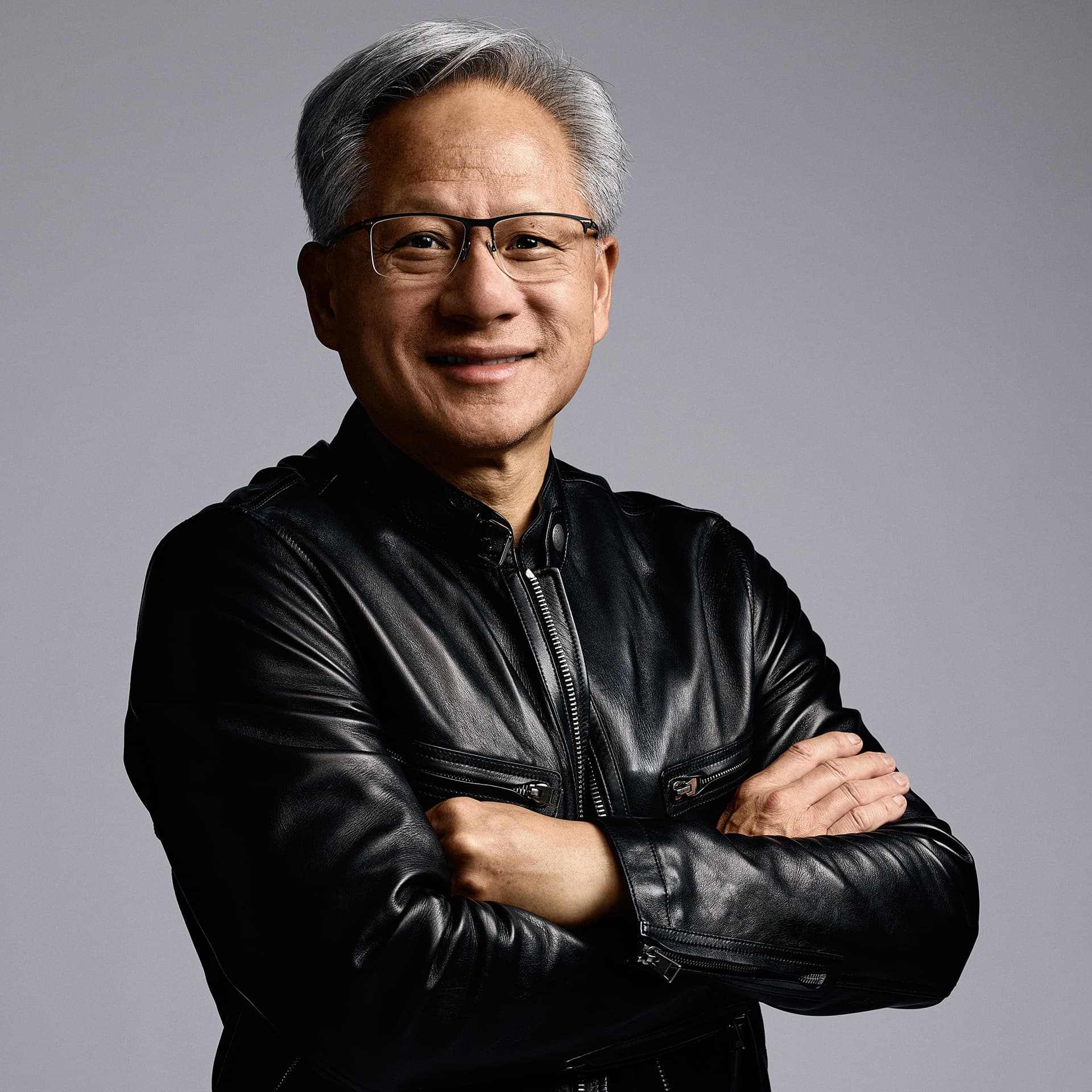
In this new industrial revolution, electrons come in and floating point numbers come out. A factory that converts electricity into intelligence – that’s the whole thesis.

There is a power shortage. I think that it is better than it was 18 months ago and still not as plentiful as we all need.

There is no AI without energy – specifically electricity.

I think we would probably build out bigger clusters than we currently can if we could get the energy to do it.

AI demand continues to accelerate, and as compute scales to keep pace, the energy behind it becomes a fundamental enabler. This is where energy intelligence becomes essential.

Realizing the potential of AI requires infrastructure that can support continued development at the frontier.

The transmission plan has to expand aggressively, with dedicated focus on renewable evacuation while also strengthening the system.
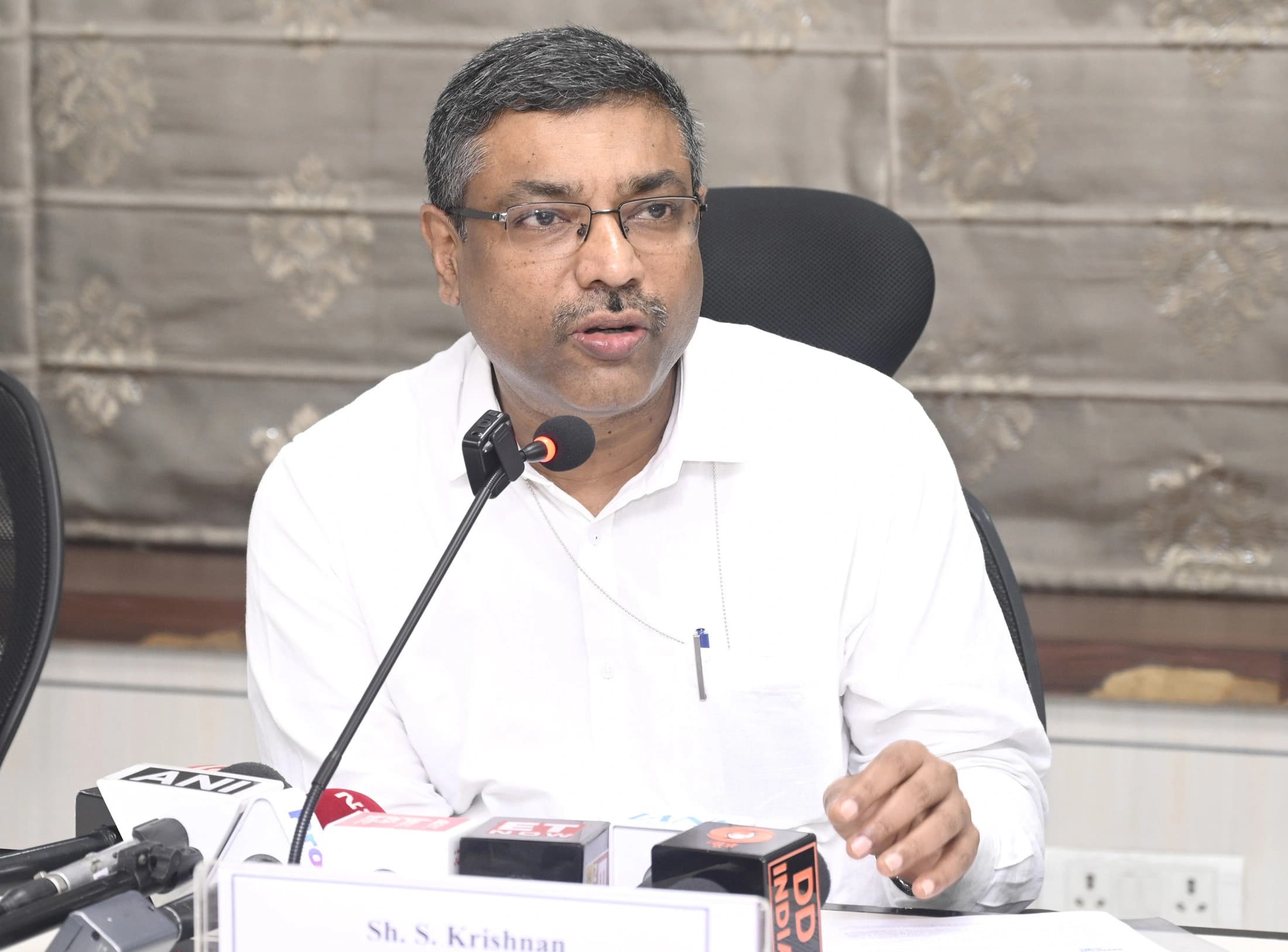
You start with power, then build compute, then models, and finally data. Without the foundational layer of reliable power, it is impossible to move to the next stage.
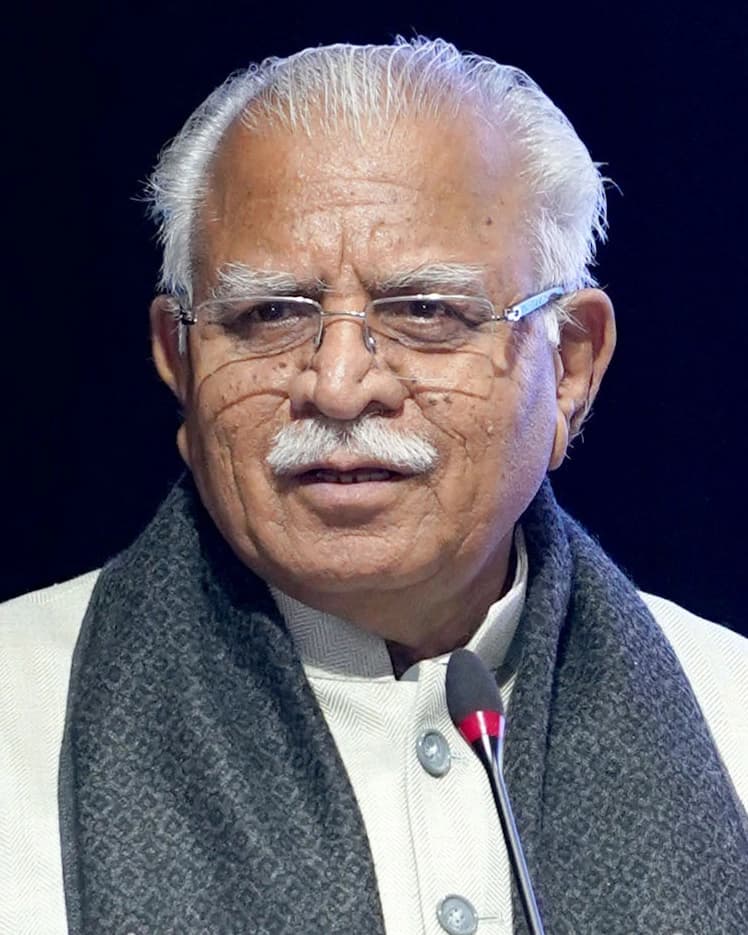
AI, data centres & EVs will push up India’s peak power demand by an additional 30 gigawatt (GW) over the next 5–6 years

Access to affordable and preferably green power will become a binding constraint unless addressed beforehand.
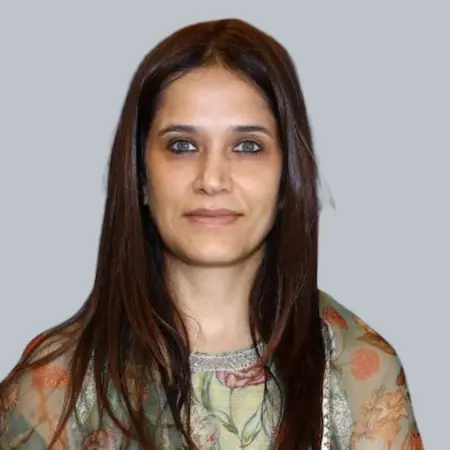
India's data centre capacity is expected to grow from 1.3 GW to 9 GW by 2030 — consuming about 3% of India's electricity, up from less than 1% currently.

India's AI moment is not on the horizon, it is already here. The demand signals from hyperscalers, cloud service providers, and enterprises are clear and unmistakable.

The bottleneck isn't silicon or software — it's electricity.
The Power Rail to Intelligence
Kilowatt-Hour is the New Currency of Intelligence
Why 2027 to 2030 Is India's Make-or-Break Window for AI-Ready Power?

Capacity Multiplication
India's operational data center capacity jumps from ~1.3 GW in 2024 to ~9 GW by 2032-33. Every megawatt needs substations, cooling systems, grid connections that can handle AI-level density.

Annual Power Growth
Electricity consumption compounds at approximately 28% CAGR, far outpacing steel, cement, or any traditional industrial sector. Data centers will consume 57 TWh by 2030, up from 13 TWh today.

Investment Pipeline
Global hyperscalers and domestic conglomerates have committed over $300 billion by 2027. But capital isn't the bottleneck anymore, execution and power access are.

Curtailed
India curtailed approximately 2.3 TWh of solar power in 2025, energy equivalent to powering 400,000 households annually. This represents a massive arbitrage opportunity for flexible AI workloads.

Rack Densities
AI training clusters demand rack densities of 100-150 kW, up from traditional 5-8 kW. This 15-20x increase makes air cooling obsolete and forces a wholesale shift to liquid cooling systems.

Stranded
Over 50 GW of renewable energy capacity remains stranded due to transmission infrastructure delays. That's clean power ready to generate but unable to reach where it's needed.
This isn't a forecast. It's infrastructure reality hitting in 2027-2028, during peak construction phase when grid stress will be maximum before new transmission corridors come online. Watt Intelligence 2027is designed to address a market void with precision. It is positioned not just as a networking event, but as a critical operational necessity for any stakeholder attempting to deploy capital in India's digital infrastructure sector.
The $300 billion
collision of
compute & current.
Securing 24/7 sustainable power. Navigating the SHANTI Act. Retrofitting legacy grids for high-density AI loads. Demand for compute is outpacing the grid's ability to supply it – and the contracts to supply that power are about to be written.
The only boardroom in India where energy-sector and digital-infrastructure leaders meet to resolve the disconnect – beyond policy, to the mechanics of survival.

DE-RISK YOUR ROADMAP
Access critical intelligence on grid transmission bottlenecks and substation capacity before you break ground.

FUTURE-PROOF ASSETS
Understand how AI rack densities jumping from 5 kW to 100 kW+ will render traditional cooling and power backup obsolete.

SHAPE POLICY
Engage directly with regulators on the National Data Centre Policy and open access reforms critical for renewable integration.
BRIDGE THE GAP
Direct dialogue between hyperscalers demanding 99.99% uptime and utilities managing a grid with ~16.6% T&D losses.
AI-Ready Grid.
This gathering is exclusively for decision-makers capable of mobilising capital · policy · gigawatts
Sponsors & Partners
The companies wiring India's Compute × Power future